Social Media Strategy for Indian Politicians: A Practical Guide
By Aarambha Team
In the landscape of modern Indian democracy, the digital footprint of a public representative is as critical as their presence on the ground. For an MP or MLA today, social media is no longer an optional accessory; it is a primary tool for accountability, outreach, and narrative building. As the Indian electorate becomes increasingly hyper-connected, the effectiveness of an MP social media India strategy often dictates the success of local development initiatives and public perception.
However, navigating the digital space requires more than just posting photos of inauguration ceremonies. It demands a sophisticated approach that balances policy discourse with grassroots engagement. Whether you are managing a Lok Sabha constituency or preparing for state elections, understanding how to leverage digital platforms effectively is the difference between simply having an account and actually building a movement.
Platform-Specific Strategies for Indian Politicians
A successful digital strategy is not one-size-fits-all. Each platform serves a distinct demographic and purpose. Twitter/X has become the primary arena for national policy discourse. A robust politician Twitter strategy involves real-time commentary on legislative sessions, tagging relevant ministries for constituency grievances, and establishing oneself as a thought leader on national issues.
Conversely, Facebook remains the powerhouse for connecting with the older demographic and rural voter base. It is the ideal space for long-form updates on MPLAD fund utilization and community events. Instagram, meanwhile, thrives on 'humanizing' the leader. Through Reels and Stories, politicians can showcase the behind-the-scenes reality of their constituency work, making them more relatable to the youth.
- Twitter/X: Use for policy advocacy, news reactions, and networking with journalists.
- Facebook: Ideal for detailed reports on developmental work and constituency-wide announcements.
- Instagram: Use for visual storytelling, Reels, and engaging with the younger voter demographic.
- WhatsApp: The backbone of direct outreach; use for verified information dissemination and local grievance redressal.
Content Strategy and Regional Language Impact
Content is the currency of political engagement. To resonate with the diverse Indian electorate, content must be hyper-local and linguistically accessible. Research shows that 90% of new internet users in India prefer content in their native language. Translating your vision into regional dialects not only increases reach but also signals deep respect for the local culture.
A content calendar is essential to maintain consistency. Aim for a mix of 40% developmental news (MPLAD projects), 30% personal/humanizing content, 20% political commentary, and 10% direct citizen interaction. This ensures your feed remains informative rather than purely promotional, which is crucial for maintaining authentic follower growth.
- Prioritize regional language content to improve engagement by up to 3x.
- Use a 40/30/20/10 content mix to balance authority and relatability.
- Always back claims with specific data or official government circulars.
Handling Criticism and Digital Crisis Management
Social media for Indian politicians can often become a double-edged sword. Criticism is inevitable, but how you handle it defines your political maturity. Never engage in 'trolling' or inflammatory debates. Instead, adopt a policy of 'radical transparency'. If a user raises a legitimate grievance regarding a civic issue in your constituency, acknowledge it publicly and provide a timeline for resolution.
If the criticism is malicious, ignore it. If it is constructive, address it with facts. A politician who listens on social media is perceived as a leader who will listen on the ground. By staying calm and professional, you turn potential PR disasters into opportunities to showcase responsiveness.
- Never argue with trolls; focus on your core narrative.
- Publicly acknowledge legitimate complaints to build trust.
- Maintain a professional tone even when provoked.
Delegation and Time Management
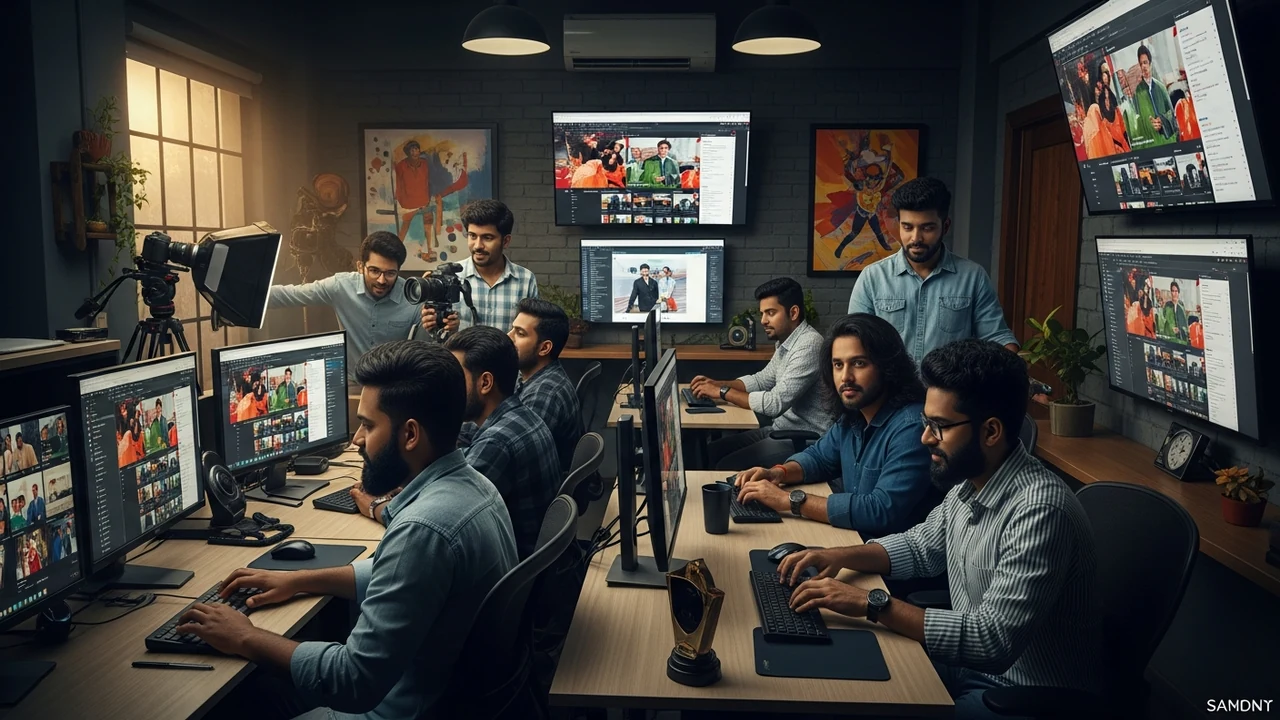
Many politicians struggle with the time commitment required for active social media management. It is unrealistic to expect a busy MP to manage every post personally. The key is to build a reliable team that manages the technical execution while you retain the voice and final approval.
Delegate content creation, scheduling, and community management to a dedicated team or agency, but ensure you personally review the tone and messaging. Use tools that allow for scheduled posting, which helps maintain a steady stream of content even during intense parliamentary sessions.
- Appoint a dedicated social media manager for day-to-day operations.
- Retain final editorial control to ensure the 'voice' remains authentic.
- Use scheduling tools to ensure consistent activity during busy legislative weeks.
Social media for Indian politicians is no longer a luxury; it is an essential democratic duty that ensures the voice of the constituency reaches the halls of power. By strategically utilizing platforms, embracing regional languages, and maintaining a consistent, data-driven approach, you can bridge the gap between policy and public sentiment effectively.
Managing a digital campaign alongside political responsibilities can be overwhelming. This is where Aarambha comes in. Our AI-powered platform is designed specifically to simplify the complexities of modern political campaigning, from content generation to audience sentiment analysis. Visit aarambhax.org today to learn how our tools can empower your constituency outreach and elevate your digital presence to the next level.
Transform Your Political Presence with Aarambha
Join hundreds of Indian politicians using AI to connect with constituents.
Request a Free Demo →