MPLAD Scheme Complete Guide: How MPs Can Track and Publicise Fund Usage
By Aarambha Team
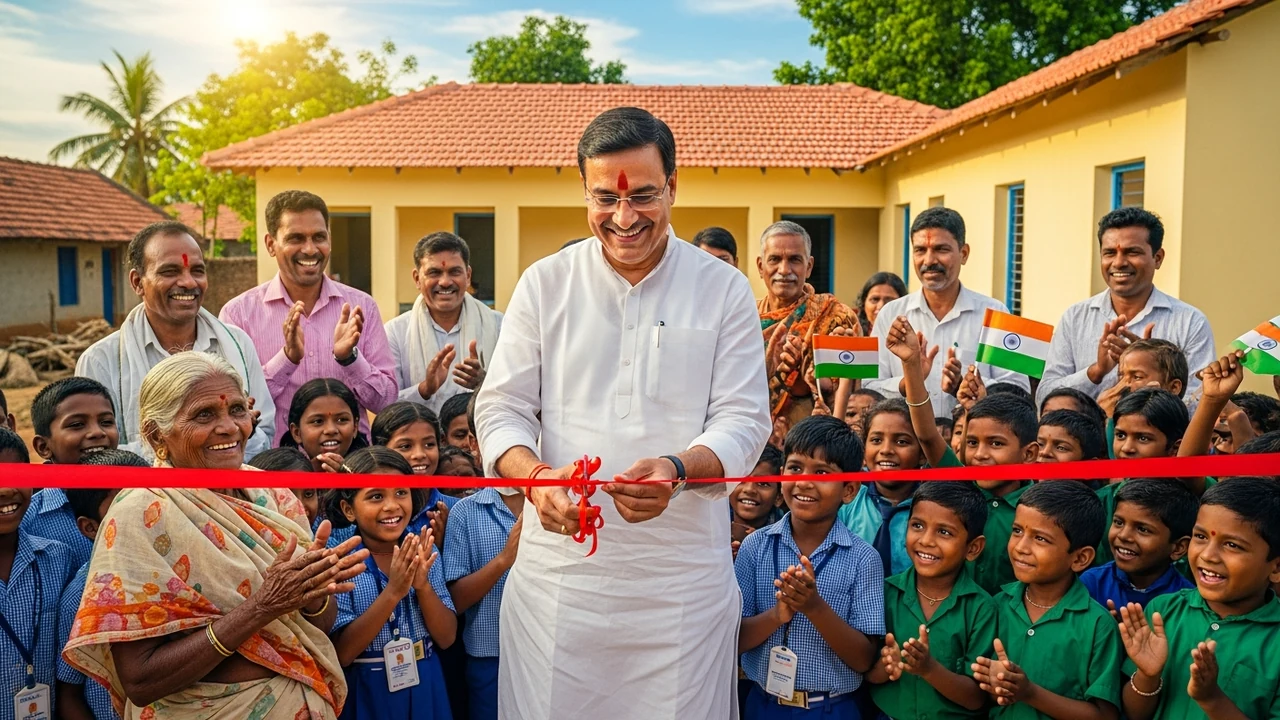
The Members of Parliament Local Area Development (MPLAD) scheme stands as one of the most critical tools in an Indian parliamentarian’s arsenal for grassroots development. By providing a dedicated financial resource for local infrastructure, the scheme allows MPs to address the immediate, tangible needs of their constituents—from building community halls to installing solar streetlights. For any representative, mastering the intricacies of this scheme is not just a procedural necessity but a cornerstone of effective constituency management.
However, the challenge often lies in the gap between fund allocation and visible ground-level impact. As digital expectations rise, voters are increasingly demanding transparency and real-time updates on development projects. This MPLAD scheme guide explores how MPs can navigate the bureaucratic landscape, ensure efficient MPLAD utilisation, and leverage modern technology to turn these funds into a measurable legacy of service.
Understanding the MPLAD Scheme Framework
The MPLAD scheme is a non-lapsable fund that empowers Members of Parliament to recommend developmental works in their constituencies. Since its inception, the scheme has been designed to focus on durable community assets. Currently, every Lok Sabha MP and Rajya Sabha MP is entitled to an annual fund of ₹5 crore, released in two installments of ₹2.5 crore each. This ensures that a total of ₹25 crore is available to an MP over a five-year term, provided the funds are utilised according to the Ministry of Statistics and Programme Implementation (MoSPI) guidelines.
The scope of permissible works is broad but specific, focusing primarily on infrastructure that benefits the public. This includes the creation of drinking water facilities, primary education infrastructure, public health centers, sanitation systems, and rural connectivity. It is important to note that the funds cannot be used for recurring expenditures, such as salaries or maintenance, but must result in the creation of 'durable assets' that serve the community for years to come.
- Annual entitlement: ₹5 crore per MP (Lok Sabha and Rajya Sabha).
- Fund releases: Two equal installments of ₹2.5 crore subject to utilization certificates.
- Focus areas: Education, sanitation, public health, drinking water, and rural infrastructure.
Navigating Fund Release and Accountability
The process of fund release is strictly governed by MoSPI guidelines. Once an MP recommends a project, the District Authority (usually the District Collector or District Magistrate) is responsible for the technical sanction, execution, and monitoring of the project. The funds are transferred directly to the District Authority, which acts as the implementing agency. Accountability is maintained through a rigorous audit trail and the submission of Utilisation Certificates (UCs).
Efficient MPLAD utilisation requires proactive coordination between the MP’s office and the district administration. Delays often occur not due to a lack of funds, but due to administrative bottlenecks in project design or site clearance. MPs who maintain a dedicated team to follow up on the 'sanction to execution' pipeline often see significantly higher completion rates compared to those who remain passive throughout the process.
- District Authority as the nodal agency for execution.
- Mandatory submission of Utilisation Certificates to trigger subsequent fund installments.
- Strict adherence to MoSPI technical guidelines for project eligibility.
Best Practices for MPLAD Fund Tracking
Modern political leadership requires a robust system for MPLAD fund tracking. The most successful MPs treat their development fund as a data-driven project. By maintaining a digital dashboard that maps every project by location, budget, and current status, representatives can identify which areas of their constituency are lagging in development. This data-backed approach allows for equitable distribution of funds across diverse demographic zones within the constituency.
Transparency is the new currency of political trust. MPs who publish their project lists online allow constituents to hold the administration accountable. When citizens can see exactly where the ₹5 crore is going, it reduces rumors, clears misinformation, and boosts the MP's credibility. Utilizing the official MPLADS portal is the baseline, but creating an independent, accessible repository of these works is the mark of a forward-thinking representative.
- Geotagging project sites for visual verification.
- Creating a public-facing dashboard for constituency-wide transparency.
- Regular field audits to ensure the quality of construction matches the sanctioned budget.
The Role of Digital Tools in Modern Governance
Digital transformation has drastically changed how MPLAD funds are managed. Today, MPs can use sophisticated software to track the progress of works in real-time, moving away from cumbersome paper files. By integrating mobile-based reporting, field officers can upload photos and status reports directly from the construction site to the MP’s central office, ensuring that the 'last mile' of development is never ignored.
Furthermore, digital tools enable data-driven decision-making. By analyzing historical MPLAD expenditure, MPs can identify recurring issues—such as frequent water shortages or inadequate school facilities—and strategically allocate future funds to solve systemic problems rather than addressing isolated incidents. This shift from reactive to proactive governance is what separates high-performing MPs from the rest.
- Real-time status updates via mobile reporting applications.
- Data analytics to identify constituency-wide infrastructure gaps.
- Automated alerts for pending Utilisation Certificates to prevent fund stagnation.
Effective management of the MPLAD scheme is more than just a bureaucratic obligation; it is a primary opportunity to build a lasting connection with your voters. When constituents see tangible progress in their neighborhoods—supported by transparent reporting and efficient fund utilisation—it reinforces the legitimacy of the representative and fosters a culture of trust. By moving towards a digitized, tracked, and publicized development model, MPs can ensure that every rupee spent creates a measurable positive impact on the ground.
If you are looking to streamline your constituency management and elevate your impact, Aarambha is here to support you. Our AI-powered political campaign platform provides the tools you need to track projects, engage with your constituency, and communicate your development milestones effectively. Visit aarambhax.org today to discover how our technology can help you deliver on your promises and secure your legacy as a development-focused leader.
Transform Your Political Presence with Aarambha
Join hundreds of Indian politicians using AI to connect with constituents.
Request a Free Demo →