Jan Sampark Portal: The Complete Guide for Politicians
By Aarambha Team
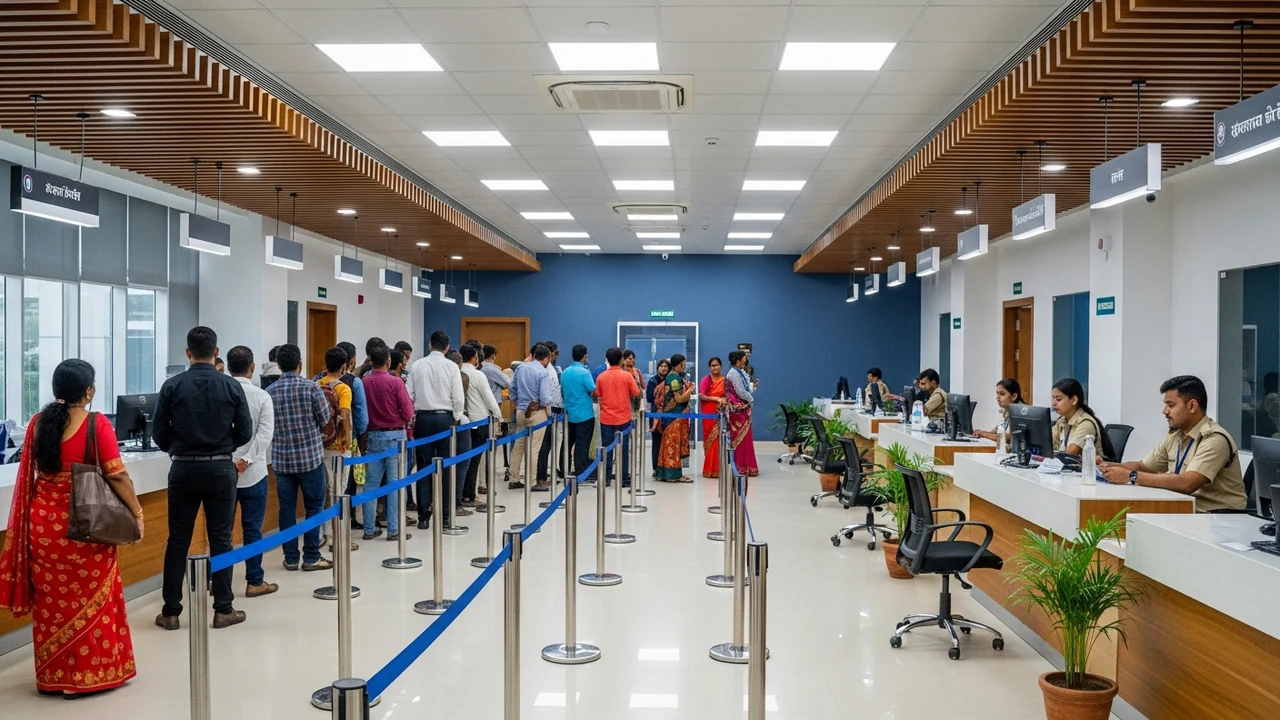
In the complex landscape of Indian democracy, the bridge between an elected representative and their constituents is often fragile. Traditionally, the term 'Jan Sampark'—meaning 'Public Contact'—conjures images of long queues at a leader’s residence, handwritten letters buried in stacks of files, and ad-hoc meetings. While these methods served the past, they are increasingly inadequate for the modern, tech-savvy voter base of the Lok Sabha and Rajya Sabha, where transparency and speed are the new benchmarks of political performance.
Traditional grievance handling systems frequently collapse under their own weight. Paper-based systems are prone to human error, loss of documentation, and, most critically, a lack of accountability. When a constituent submits a request regarding local infrastructure or an MPLAD-funded project, the inability to track progress leads to public disillusionment. As we move toward a digital-first governance model, implementing a professional Jan Sampark portal is no longer optional; it is a necessity for any politician serious about long-term constituency engagement.
Why Traditional Grievance Management Fails
The primary failure of the traditional model is the 'black box' effect. A constituent drops a petition in a box or hands it to an assistant, and then hears nothing until the issue is either resolved or forgotten. This lack of feedback loop creates a massive trust deficit. In high-density constituencies, the sheer volume of requests—often exceeding hundreds per day—makes manual tracking impossible, leading to a high rate of unaddressed grievances.
Furthermore, traditional systems lack analytical depth. Without a digital repository, a politician cannot identify recurring patterns. For instance, if 40% of grievances in a specific ward relate to water supply, a manual system will treat these as individual complaints rather than a systemic policy failure. This prevents the representative from making informed decisions regarding the allocation of MPLAD funds or raising critical questions in the house.
- Data fragmentation: Inability to link multiple complaints to a single systemic issue.
- Zero transparency: Constituents lack a tracking mechanism, leading to repetitive follow-up visits.
- Inefficient resource allocation: Staff time is wasted on data entry rather than actual problem-solving.
How a Digital Jan Sampark Portal Works
A modern constituency portal setup acts as a centralized command center. It digitizes the entire lifecycle of a grievance: submission, routing, resolution, and feedback. When a constituent submits a request via a mobile-friendly web interface or a dedicated WhatsApp bot, the system automatically assigns a unique tracking ID and routes it to the relevant department or local coordinator.
The system ensures that no request falls through the cracks. By automating the workflow, the portal allows the politician’s office to move from a reactive 'firefighting' mode to a proactive management style. It provides a real-time dashboard that displays pending versus resolved cases, allowing the office to prioritize urgent matters while ensuring that every citizen feels heard.
- Automated ticketing: Each grievance receives a unique ID for tracking.
- Role-based access: Separate logins for field staff, office secretaries, and the politician.
- Public transparency: Constituents can check the status of their requests online without visiting the office.
Best Practices for Response Times and Categorization
Effective politician grievance management relies on setting clear expectations. A 'Jan Sampark portal guide' would emphasize the importance of Service Level Agreements (SLAs). For example, a simple request like a street light repair should ideally be acknowledged within 24 hours and addressed within 72 hours. More complex policy-related grievances may require longer windows, but the key is consistent communication.
Categorization is the backbone of data-driven governance. Requests should be tagged by geography (ward/village), department (health, road, sanitation), and urgency. By segmenting data, you can generate monthly reports that highlight which sectors require immediate legislative attention or budgetary intervention, turning the portal into a strategic planning tool.
- Acknowledge every submission within 24 hours to build trust.
- Implement a tiered categorization system (Urgent, Routine, Policy-level).
- Use automated SMS/WhatsApp updates to keep the constituent informed.
Turning Data into a Constituency Agenda
The true power of a digital Jan Sampark system lies in its ability to inform your political agenda. If your portal data reveals that 60% of youth in your constituency are raising concerns about skill development and unemployment, this is not just a collection of complaints—it is a mandate. This data serves as the foundation for your next speech in Parliament or your next public campaign.
By analyzing the frequency of complaints, you can demonstrate tangible impact by showing how you have used data to advocate for specific projects. This evidence-based approach makes your constituency work defensible and transparent, significantly increasing your chances of voter retention in the next election cycle.
- Identify recurring systemic issues to guide policy advocacy.
- Use evidence-based reports to justify MPLAD fund utilization.
- Create 'Impact Reports' to share with constituents during public outreach.
Implementing a robust Jan Sampark portal is the single most effective way to modernize your constituency office. By moving away from fragmented, manual systems and embracing a digital workflow, you not only improve the quality of life for your voters but also build a data-backed political legacy that speaks for itself. The transition from reactive management to proactive leadership starts with the right technology.
At Aarambha, we specialize in building high-performance political technology solutions designed for the Indian context. Our platform provides an intuitive, all-in-one Jan Sampark portal that integrates seamlessly with your existing office operations, ensuring your team spends less time on data entry and more time on high-impact public service. Visit aarambhax.org today to schedule a demo and start transforming your constituency management.
Transform Your Political Presence with Aarambha
Join hundreds of Indian politicians using AI to connect with constituents.
Request a Free Demo →